I craft compelling narratives across mediums — from short fiction and screenwriting to video content and brand storytelling. Every piece is built to resonate, connect, and linger.
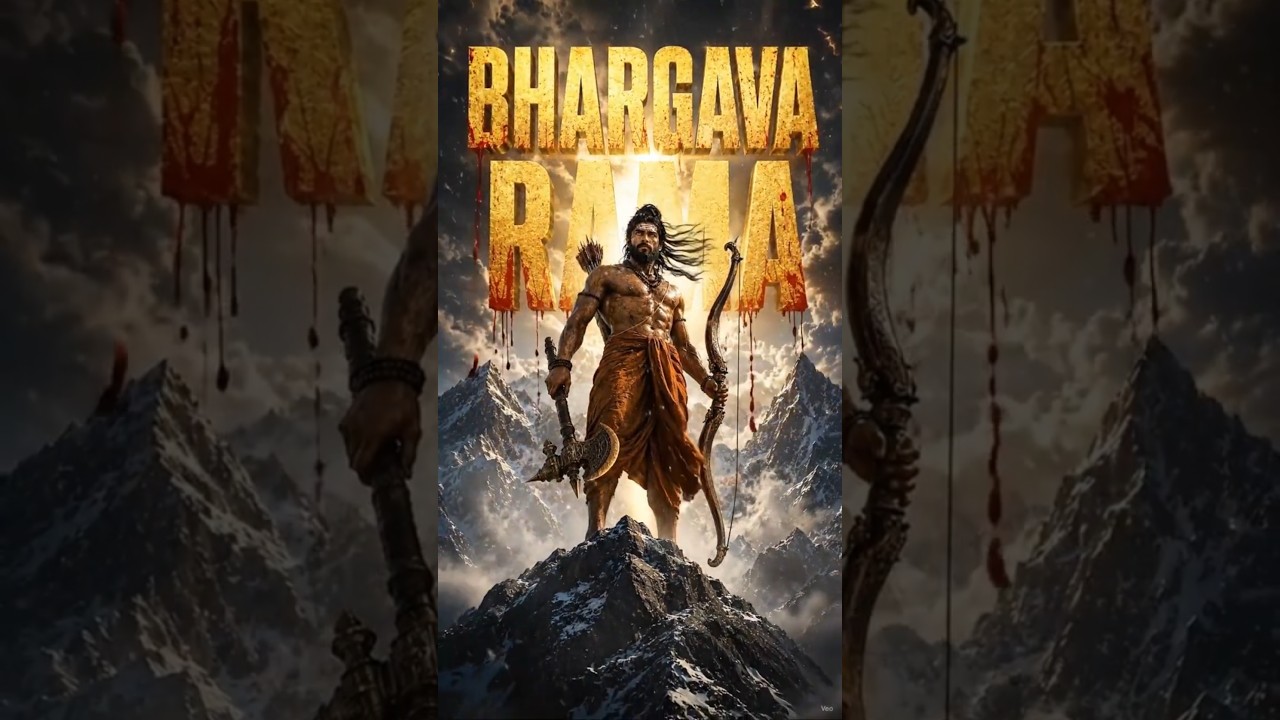
Produced a vibrant animated superhero narrative blending original character design with dynamic AI-generated visuals and cinematic pacing.
Creative Production House
Orka Headphones — Premium Audio, Cinematic Feel
Directed and produced a sleek product film for a premium audio brand — blending lifestyle visuals with immersive sound design.
Animation Studio · Short
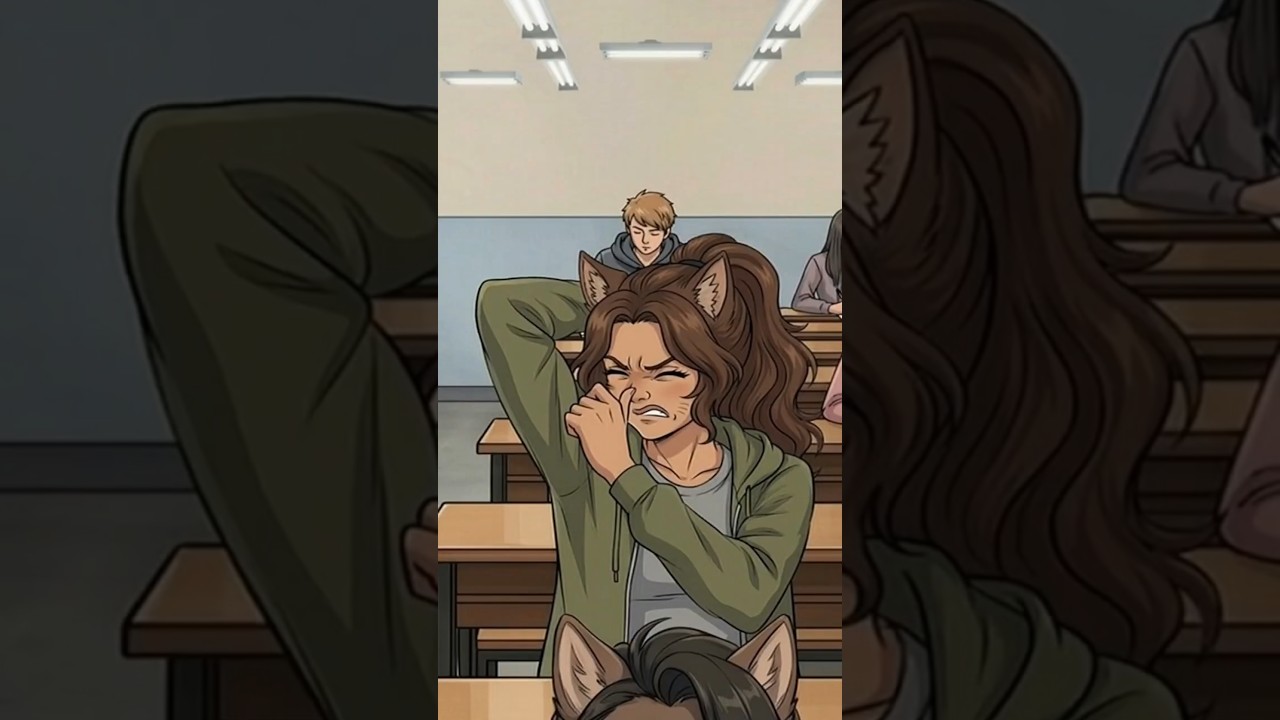
Wolf Stink — Animated Comedy Short
Created a quirky animated short for a children's content studio — punchy storytelling crafted for instant engagement.
Digital Media Company · Short
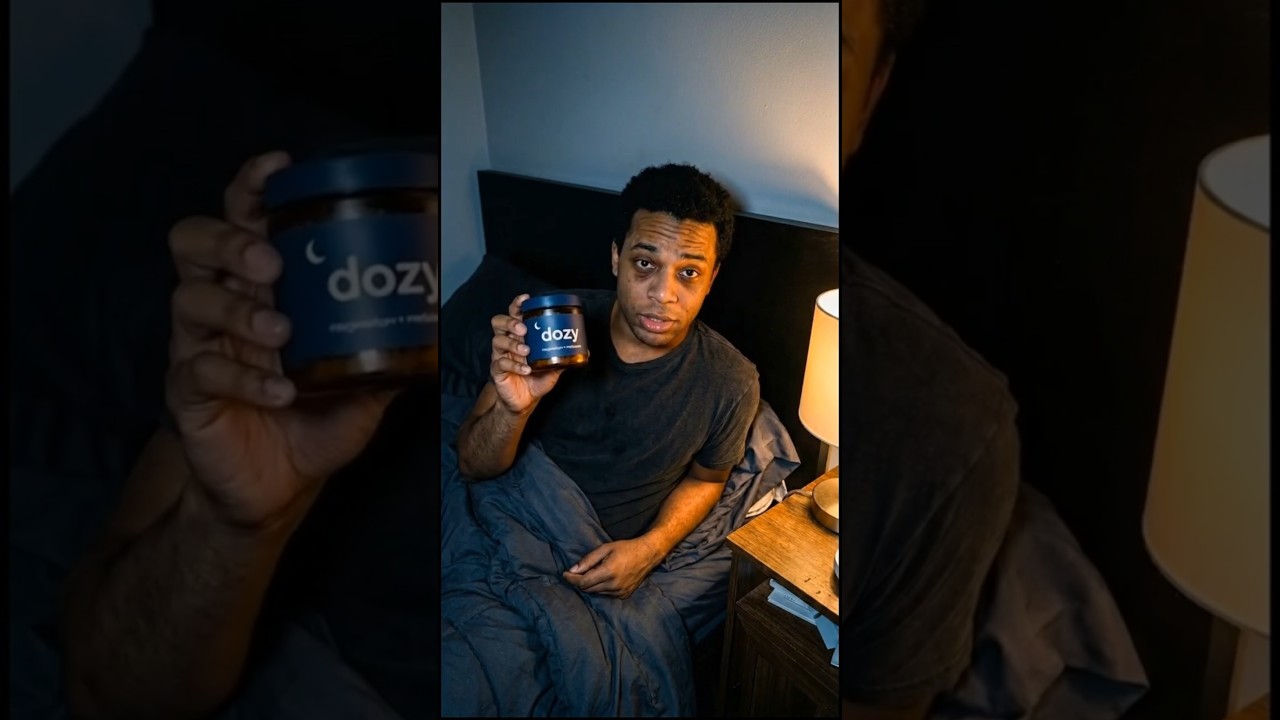
Premium Brand Spotlight — Product Commercial
Scripted and produced a punchy short-form commercial for a premium consumer brand, engineered for maximum social media impact.
Independent Film Studio
The Bear's Journey — Animated Short Film
Produced an emotionally rich animated short film with cinematic world-building, original character animation, and a compelling narrative arc.
Creative Production House
Naya Safar — A New Beginning
Crafted a soulful narrative-driven brand film exploring themes of fresh starts and new journeys — from concept to final cut.
Children's Content Platform
Three Little Pigs — Reimagined for a New Generation
Reimagined a timeless fairy tale through AI-generated animation — balancing whimsy and modern production for a young audience.
Online Tutoring Company
AI Avatar Masterclass — ChatGPT Deep Dive
Produced a full-length educational video featuring an AI-generated avatar delivering an in-depth tutorial on ChatGPT.
Short-Form Content Creator · Short
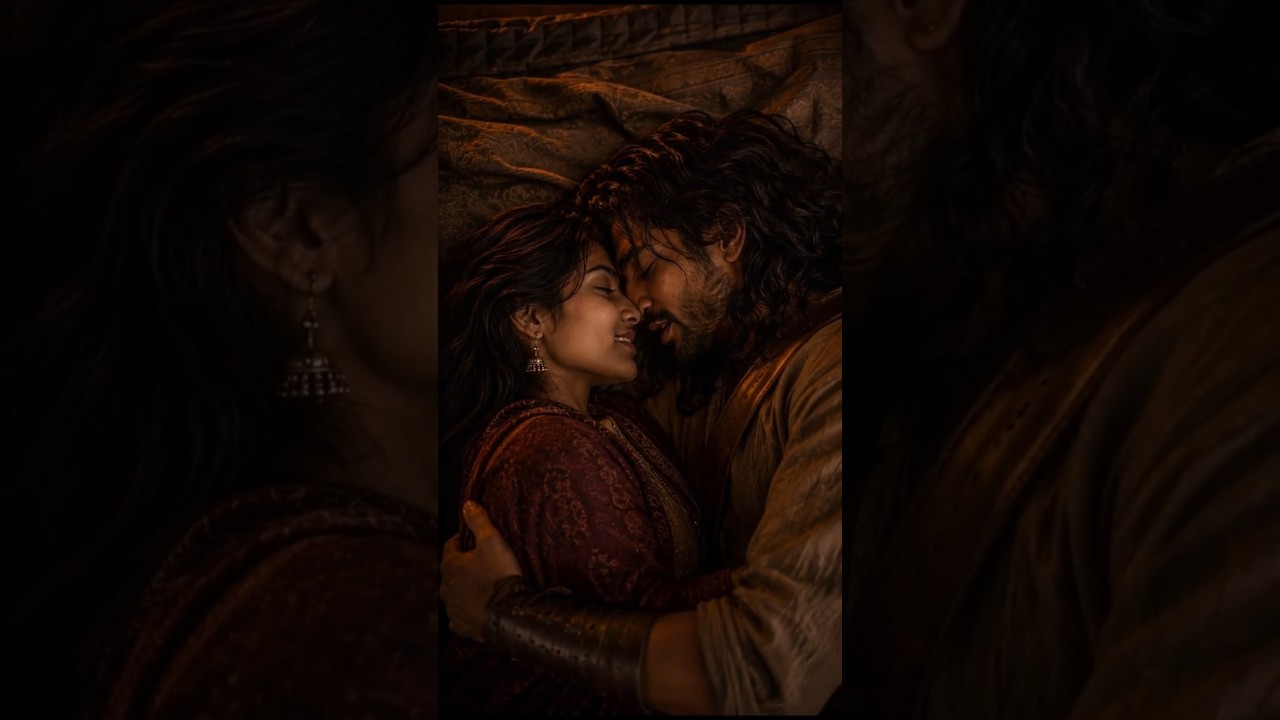
Rickshaw Romance — A Fleeting Love Story
Produced a heartwarming micro-narrative capturing a fleeting romance — crafted for vertical-first platforms.
AI Technology Startup · Short
NovaPay — AI-Powered Fintech, Simplified
Produced a concise product explainer for an AI-powered payment solution — translating complex fintech into compelling visual storytelling.
01
Dark Fantasy
The Soul of Mansha
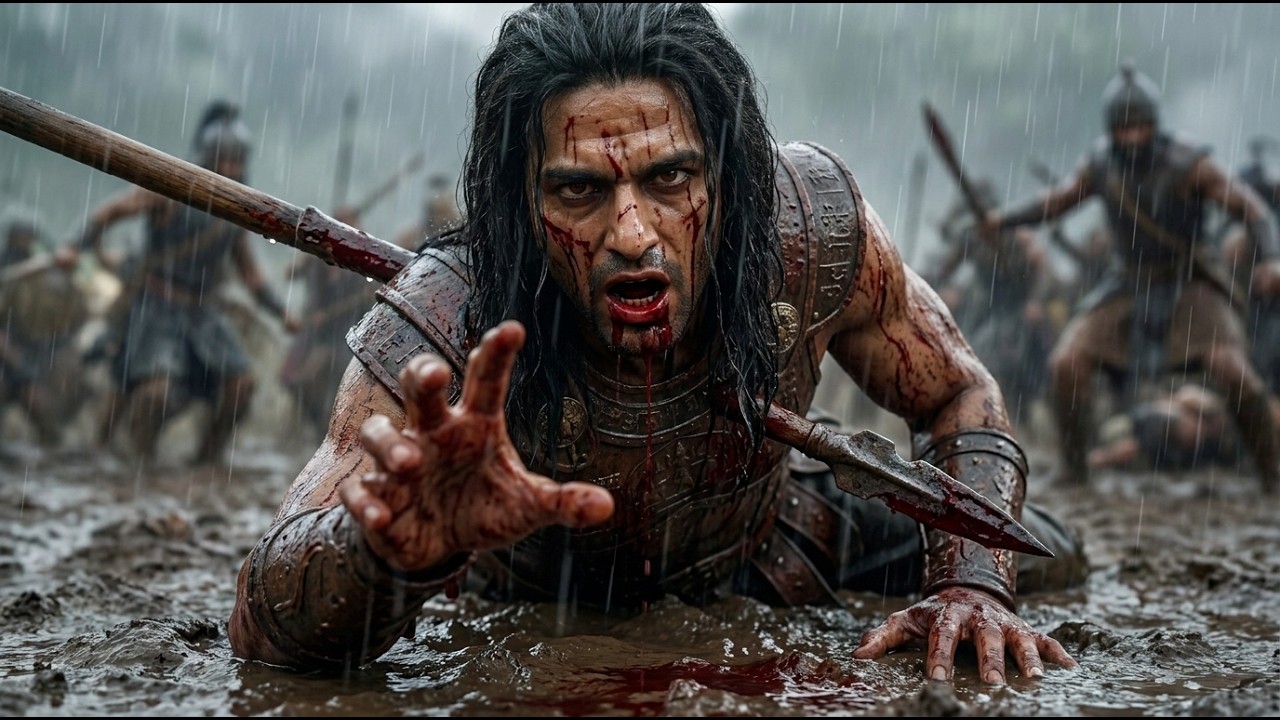
A grave-digging apprentice returns home to find his master beheaded. Now the sole guardian of a fractured world-soul, Oshan must carry on a mission he was never meant to face alone — killing the rulers who hold the pieces of Zagan.
"Oshan tossed out the shovel, climbed from the grave, and slumped to the wet ground, unconcerned by the pebbles digging into his back."
1302 C.E., Mali. While a new Mansa is crowned, his closest advisor Kankan seethes in the shadows — born into the wrong bloodline, consumed by ambition, and plotting to rule an empire in all but name.
"It was a shame that Kankan was born into the wrong family. He would have made the greatest Mansa of Mali."
A desperate farmer, left with nothing after fire devours his world, strikes a bargain with a dark entity. What begins as salvation slowly mutates into an appetite that consumes everything — including his humanity.
"Once upon a time, in a land far, far away, there lived a farmer named Anshaw. A terrible fire rained from the skies and laid waste to his village and its lush green lands."
Fifteen years after the night that shattered his life, a man recounts the unravelling of his marriage — a miscarriage blamed on a demon, a wife consumed by grief, and a final act of violence he can never undo.
"They say death is the ultimate destination. Death is oblivion and yet somehow, it is peace. You cannot escape it. You cannot cheat it. But, I escaped death."
A deaf-mute boy, discarded at birth and raised by a thief, steals a magical banjo that can grant any wish. But the instrument reveals a truth about suffering that drives him to make one devastating demand of the Creator.
"The womb that birthed the boy wanted to swallow him back. He slipped out without a cry and did not react to his father's claps."
Built an AI-first YouTube channel from 0 to 100K monthly views and 3,000+ subscribers in 6 months. Designed a 48-hour production workflow integrating 8+ AI tools. Achieved YouTube Partner monetisation in 5 months.
Jun 2023 — Jul 2024
Regional Manager — West Zone
91Squarefeet
Led business development and client success for interior fitout and SaaS project management product across West India.
Nov 2021 — May 2023
Author & Storyteller
Independent
Authored three fantasy novels (400K+ words). Awarded Storymirror Author of the Year 2022. Completed Creative Writing certification from Wesleyan University.
Apr 2019 — Oct 2021
GM — Business Planning & CAPEX Procurement
Rebel Foods
Directed data-driven brand analysis and multi-million-dollar procurement at the world's largest cloud kitchen network. Two-time Impact Award recipient.
Jul 2015 — Jan 2019
Sales & Innovation Manager
Godrej & Boyce
Headed B2B professional AV sales in Mumbai. Two-time Sales Manager of the Year. Applied Design Thinking methodology to business challenges.
Education
MBA Marketing — Mumbai University, 2015B.E. Information Technology — Mumbai University, 2011
Certifications
Creative Writing — Wesleyan University, 2022Design Thinking & Innovation — IIT Institute of Design, 2016Consulting Competency — Zenesys, 2014
Open for consultation, time-bound projects & collaborations
The Soul of Mansha
Oshan tossed out the shovel, climbed from the grave, and slumped to the wet ground, unconcerned by the pebbles digging into his back. Mud clung to his face, clothes, and wedged beneath his nails.
He gazed at the shining purple star in the night sky, closed his eyes, and wished he’d find the red bone soon. His soul could no longer bear the torment of this desecration anymore. The foul stink of the corpses clung to him like his own. If he spent another week with the dead, he feared he’d become one of them.
Tilting to his side, Oshan groaned. Hundreds of unmarked graves remained to be inspected.
The last time Oshan had grumbled about the depravity of grave-digging to his master, Mahmet had tried pacifying his scruples by saying, ‘Fear not disturbing the dead, for they are at eternal peace. That red bone contains a piece of the soul of the world. And we can’t let the world’s soul remain broken.’
Sighing deeply, Oshan reached for the shovel, eyeing the unmarked gravestone a few paces away. His bones cracked in protest. He needed a break. Leaving the shovel behind, he left the defiled grounds. He did not have the energy to carry it all the way back. Besides, no one ever visited this graveyard.
The thought of sleeping on his padded cot spurred him to hurry down the unpaved, unlit streets. The moist mud of the bog squelched under his feet, trapping his footprints. Vivier’s marshes were a stark contrast to his hometown, where houses were of stone and the roads were paved.
His sight had adjusted well to the bog’s darkness. The shoddy, mouldering rows of pile houses that lined on either side of him were silent. Most were vacant, their owners dead and buried; outcasts and runaways occupied the others. Since everyone here hid from their past, the residents of Vivier kept to themselves.
Mahmet preferred the wasteland. The rulers of the world wouldn’t search for him here, he believed. For a man being hunted by the most powerful people on Mansha, Mahmet was overly optimistic. Oshan still remembered the day he’d found Mahmet beaten and broken, his life slipping away. Oshan had nurtured him back to health, and, in return, Mahmet had taken him under his wing.
Oshan climbed the stairs of the pile house at the end of the street, leaving clumps of mud behind. The bloated, rotting timbers moaned at every step. The raised pile house kept out the flooding water, but nothing could prevent the mosquitoes from breeding. Oshan slapped one against the door of the house. Strangely, the door creaked open. Mahmet always kept it locked.
The fading scent of oil and the wisp of smoke suggested that the lantern by the door had burnt out moments earlier. There was another odour in the single-roomed house, one prevalent in the graveyard—the stench of death.
Moonlight crept in through the only window, overlooking the marshes. A part of Mahmet’s wooden desk was visible. The papers on it fluttered in the wind, threatening to disperse them. Mahmet never left his papers untied. They were more precious to him than his life.
Oshan rushed to the desk to bind the papers before they could scatter. His foot struck something squishy. He froze, listening to it roll and thud against the part of the desk, obscured by darkness.
The smell of blood and flesh overpowered his senses. Oshan stopped himself from thinking the worst. He attempted to convince himself that any moment now Mahmet would appear in a cloud of red mist, like he usually did. Except he wasn’t coming.
Eventually, Oshan tottered to the desk, squatted, and swept the floor, fumbling to find the thing he’d kicked. He jerked his hand away as soon as he grazed the thing.
Sweating, Oshan gradually reached for it and held the round thing. He felt its cushioned fat and then found the bony ridge. Hesitantly, he stepped closer to the window. And screamed.
His trembling hands dropped Mahmet’s head onto the sill, where it bounced twice, spun, and splashed onto the wet mud outside. Oshan’s mouth was still open, but his voice had long since abandoned him.
Oshan crumpled to the floor. Nothing, not even the many corpses he mutilated every day, had prepared him for seeing Mahmet’s severed head. He stayed on the floor for a time, staring at the unshuttered window, unable to rouse his disoriented mind.
Mahmet’s killer was long gone. They probably hadn’t known that Mahmet had taken an apprentice, else they would have killed Oshan, too.
Tears welled in his eyes, and some trickled down his face. Mahmet had expected to die, and often spoke about it. He’d prepared Oshan to carry on his work of restoring Zagan, the soul of the world. However, unlike Mahmet, Oshan didn’t carry Zagan’s power. He was nothing more than a mosquito to the ones carrying Zagan’s power. For him, killing the rulers of Mansha would be harder than catching the wind.
This life wasn’t for Oshan. Mahmet’s ambition to save Mansha had died with him.
But what about the promise he’d made to Mahmet? Did Mahmet’s death free Oshan from his oath? Could he live as the world died?
Oshan wiped away his tears. By running away, he would only betray Mahmet. He couldn’t do that, even if that meant dying. His stasis broke.
Mahmet had left behind explicit instructions for Oshan in the event of his death. Even though the task was sordid, it had to be done.
Mahmet’s body held his power, and it lay next to where his head had been.
Oshan dragged the headless stump under the moonlight and removed its shirt. He withdrew the dagger fastened to his back and raised it, ready to plunge it into his master. Mahmet’s chest bore the mark of Zagan—three interlocking circles topped with a pair of red horns. Putting his dagger aside, Oshan stroked the sigil of the soul of the world and joined his hands in prayer, in respect.
“My soul will not rest until I save Mansha. I will reunite Zagan by killing every last one of the rulers.”
Oshan hoped Mahmet had heard him.
Thick, dark blood continued to ooze out at a sluggish pace from the slice at the neck. Oshan’s hands wobbled. He steadied himself by placing a hand on the ground and leaned over the corpse and retrieved his dagger, breathing short bursts.
He stabbed his master in the chest repeatedly, grunting every time he pulled the blade out. With each attempt, he threaded further in, closer to the bone that held Mahmet’s soul.
Tearing through the skin, Oshan smashed Mahmet’s ribs with the blunt end of the dagger. From the cavity, he spooned out the shards of broken bones and blood-drenched tissues. He plunged his hand deeper, rummaging through the viscera. Finally, he found what he was looking for.
Oshan strained from the unexpected exertion of uprooting Mahmet’s soul bone. Once out, it lit the room in brilliant crimson. He tore a piece of Mahmet’s shirt and wrapped it around the bone, masking its luminescence. Darkness shrouded the room again after he shoved it deep inside his pocket.
Oshan glanced around one last time. His moist eyes saw less than before. His arms were soaked in his master’s blood up to the elbows. No thoughts invaded his numb mind. His body moved on its own. Packing Mahmet’s notes into a leather satchel, Oshan left the house and the sodden path, returning to the graveyard, where another piece of Mansha’s soul was buried.
Rick & Faye And The Lost City of Gold
1302 C.E.
All of Mali, at least the most influential members of its society, waited for the crowning of their new ruler. The authority of the ruler, the Mansa, over his populace had always captivated Kankan. Whenever the Mansa walked into a room, his subjects arose in abidance; they could sit only after the Mansa sat. They spoke only when the Mansa ordered them to and spent their lives to please him.
It was a shame that Kankan was born into the wrong family. He would have made the greatest Mansa of Mali. How he despised the blood that flowed in his veins, the blood of serfs, bound in servitude to Mali’s ruling family.
To add to that shame, Muhammed Ibn Qu, the son of the departed Mansa Qu, was to ascend the throne. That timid, dithering man was late to his own coronation.
Kankan waited in the vestibule, hidden from view behind the raised throne. A thin wooden flap, a poor excuse for a door, hid him from the people in the throne hall. He surveyed the eager crowd through an expertly crafted aperture in the anteroom. The twinkle-eyed audience waited in the throne hall, wearing glittering smiles, and standing with parted hands ready to burst into a thunderous applause as soon as the Imam—Allah’s servant—placed the citrine stone-embedded turban on Muhammed’s head.
Muhammed was to enter the throne hall through this vestibule, with Kankan following him, a step behind. As Muhammed’s closest friend and soon-to-be the Mansa’s personal advisor in all matters, he should have been overjoyed. But Muhammed didn’t deserve to be King. If anyone did, it was Kankan.
Muhammed hadn’t yet ascended the throne. Anything could happen in the few minutes that remained until he was crowned. Kankan chuckled at the futility of his thoughts. No one could stop Muhammed from becoming King. Not when the Imam had decreed it so.
Kankan was uncomfortable in his attire. Sweat ran down his chest under the oversized, glittering tunic his mother had made him wear for the coronation. It had once belonged to his father, and it smelled pungent and putrid like the dead man.
Kankan adjusted his turban, yet again, looking at his reflection in the dressing mirror. At least this was his own, and it matched the green of his tunic, Allah’s colour, but other than that, it was ordinary. He pressed down on his cheeks, forcing his lips to smile. Everyone would be watching him, observing him. He had to make sure his mannerisms didn’t betray his blasphemous thoughts.
The tapping of hard-soled leather announced the oncoming fleet of attendants. They were dressed in identical beige cotton tunics. With them came Muhammed, carrying his father’s golden staff in one hand and a papyrus in the other, his eyes running up and down on it. Two attendants behind him held his purple-coloured cape, and two others on the side fanned him.
Seeing Muhammed, sweat ran faster down Kankan’s chest. Muhammed did not wear any turban. His dark, glistening hair was flattened to ensure the ruler’s turban sat on his head perfectly during the ceremony. Nothing could go wrong at the Mansa’s coronation.
While the attendants wore leather slippers, Muhammed was barefoot, as he should be. He went before his subjects and Allah, barefoot, in humility. The rest of his gaudy attire, though, cried vanity.
Muhammed looked up from the page and smiled at Kankan—a smile of pride, of victory—like a child having won a race. He gestured to his servants to stay put and walked over to him.
Kankan bowed. Not his best bow, but the oversized tunic made it tough to bend down further. Every fibre of the cloth rebelled at this obeisance to the man who now stood haughtily before him. However, Kankan still bowed, submitting to his place in Allah’s world, in Muhammed’s shadow.
“Not you too, Kannu. Not when we are alone.”
Kankan eyed the attendants. “But we are not alone. It is as Allah has willed, my Mansa. I surrender myself to your authority.”
Only when Muhammed patted him on the shoulder did Kankan stand erect.
“I’m glad that you stand by me, Kannu. You’ve been my closest friend since childhood. And I count on you to remain close to me and guide me in my new life, as you’ve done so far.”
Muhammed used to follow Kankan around as a boy, but the world would follow him now. Allah was unfair. Life, in general, had kicked Kankan and pinned him to the ground, letting everyone else pass him by to the top. However much he denied it, he would forever be Muhammed’s servant.
“Like my father, who always had Mansa Qu’s back, I will always stand behind you.”
Muhammed turned his eyes to the scroll again, plucking hair from his brows.
“A Mansa shouldn’t be this nervous now, should he? I can barely memorise my speech. I don’t know what I’ll do if someone challenges me for the throne.”
Only someone from the royal family could challenge Muhammed. And out of all the men in the royal family, none could convince the council of ministers or the Imam that they were better suited to the throne.
“May Allah strike down whoever entertains that vile thought. The only one better than you was Mansa Qu, your father.”
Muhammed grimaced. “Can’t believe he’s gone. Allah called him to the heavenly lands too soon. There was still so much that he could teach me. Teach us.”
Kankan nodded, not knowing how else to react. Truth be told, Mansa Qu had lost his mind long before he’d lost his life. Muhammed had been the de facto ruler of Mali for at least a year.
A knock came on the wooden door.
“Come in,” Muhammed cried.
The Iman’s servant, wearing a green tunic a shade lighter than Kankan’s, though not embroidered as much, stepped in, bowing his head.
“Well?” Muhammed asked.
The man stuttered. “My Mansa,” he said, straightening up only to glance at Muhammed, immediately bending his head again. “The Imam awaits. He says if we delay any further, Allah will be angry.” This servant sweat even more than Kankan.
Muhammed rolled his eyes at the man and gestured to his attendants to come forward.
“I do Allah’s bidding,” Muhammed said to appease the stuttering servant. “Without Him, we would all be dust in the wind. Am I wrong, Kannu?”
“All of us do Allah’s bidding. Still, some are luckier than others,” Kankan said, immediately reproaching his envious thoughts.
Muhammed didn’t seem to grasp the meaning of his words. Instead, he winked at him, moving towards the door. That wink, that arrogance, the absolute disregard for Kankan’s deepest pains stubbed a thousand needles into his skin. Muhammed was a friend no more. He was a king. His King.
Kankan waited for Muhammed to instruct him where to stand. Muhammed, however, went through the door to the throne hall without looking back at him. The Mansa had already forgotten about Kankan.
Gasps and cries of awe arose from the audience as Muhammed made his way to the throne. The last of the Mansa’s fleet of attendants left the vestibule, leaving Kankan alone.
Although Kankan knew he should be in the throne hall, his feet wouldn’t move. He preferred dying to following the Mansa’s attendants to the throne room. He was Muhammed’s advisor, not his attendant. His absence from Muhammed’s coronation would not go unnoticed. He should be cheering, clapping, and hailing Allah for rewarding Mali with the most remarkable man to sit on the throne. He should be heard praying to Allah for Mohammed’s long rule.
Left behind in the anteroom, Kankan wished for Muhammed to be devoured by lightning before he could climb the dais. Kankan closed his eyes and prayed to Allah with all his heart to make it so. He didn’t care that he could not be King. He prayed that Muhammed wouldn’t be the Mansa. He chanted the sermons of the prophets and sang the hymns of Allah.
The Imam’s voice boomed from the throne hall, reaching him.
“In the just eyes of the people of Mali and the forever vigilant eyes of glorious Allah, I now proclaim Muhammed Ibn Qu, the son of eternal Mansa Qu, as the Mansa of Mali.”
Kankan stopped praying. Allah had forsaken him.
The Imam’s proclamation resonated throughout the palace. Cheers and claps, taps and hurrahs of the hundreds of people who had gathered for the coronation shattered the air when the Imam placed the stone-embedded turban on Muhammed’s head.
After what seemed to be an eternity, the noises shushed, and Muhammed started narrating his well-rehearsed speech. His voice was softer than the Imam’s, though his words were more resolute.
Kankan’s immobile feet finally moved, not towards the throne hall but in the opposite direction. He headed straight out of the anteroom and into the main corridors. The servants of the palace had abandoned their work and were attuned to the echoes of Muhammed’s speech. No one noticed him rushing across the carpeted floor, hurrying on the marble-clad stairs, and out of the palace. It was as if Allah had made him invisible.
Kankan’s mind questioned the sanity of his actions. The worst that Muhammed could do for this slight was to kill him. Seeing him on the throne every day equaled a thousand deaths anyway.
Kankan crossed the palace gates to the streets he knew well. He strode along the stone path flanked by the houses of the royal ministers to his own home, where he spent most of his nights ruminating over his downtrodden fortune.
His house was the closest to the gates to the city, where the merchants and the peasants lived, and farthest from the palace. His father had chosen the house to be close to the people of Mali. Kankan was convinced he was not in the least his father’s son.
Kankan’s father had always admonished him for being arrogant and lacking respect for his elders. Whenever Kankan criticised his father’s dogmatic thoughts, his father struck him on the face, and it was harder every time. He had not cried when his father died. In fact, he’d struggled to keep the smile away from his face.
The only good part about coming home was his mother. She understood him, his ambitions and his desires. Until his mother was by his side, he needed no one else, not even Allah.
Kankan unlatched the doors to his house. His mother never stepped out. Widows of Mali were discouraged from leaving the limits of their houses to safeguard them from perverted eyes.
Unlike the palace, where a thousand servants fulfilled the needs of the ruler, his family and their guests, no one served Kankan. His father had not wished to employ attendants to satisfy his trivial needs. His mother held the same opinion.
Kankan found his mother in the veranda, at the back of the house, soaking up the warmth of the sun. Her eyes were closed, and her head was inclined. She hummed the songs of her youth, which her husband used to sing to her.
She stopped abruptly, sensing him, and turned towards him with her eyes still closed.
“How was the crowning? Tell me everything. I need all the details. What was Muhammed wearing? And did the dowager queen wear any jewellery? Who all were present? More importantly, who wasn’t?”
A barrage of thoughts ran through Kankan’s mind, but none that could answer his mother’s questions.
“I didn’t attend.”
He came and sat by her swivel chair on the hard floor. She caressed his head with the tips of his fingers, just as he liked.
Kankan spent most of his time growing up in the company of his mother; his father was usually at the palace or out on assignments. She had a fiery nature, and though her love for him was true, she exploded like a firecracker whenever Kankan erred. But today, his mother remained unusually quiet.
“Mansa Qu depended on your father for advice. And now it is your turn to advise the new Mansa. It is your duty. And your duty cannot be fulfilled by running away.”
His mother’s words irritated him.
“Muhammed is weak and unsure of himself. He is not worthy of Mali’s throne. Why does your Allah always side with the undeserving?”
His devious thoughts belonged only to his mind and mother’s ears. She would admonish or even slap him but never betray him.
“Muhammed is your King. Convince your mind of that simple truth. The more you fight your reality, the more you endanger your life. Do your duty, and Allah will shower you with blessings. It is fine to question our Allah, but do not doubt his will, my son. He takes care of his own.”
Allah was blind to the desires of his followers. In His stead, he had left behind Imams. The Imam of Mali was second in authority only to the Mansa. How could Allah care for Kankan if His servant, the Imam, was biased?
The Imam chose to hear and bless only the wealthy lords who donated generously in the name of Allah. Even though the Imam knew of Kankan’s friendship with Muhammed, he still ignored him like the countless other sheep whose donations he considered meagre.
It was pointless to argue with his mother. She had a way to convince him. Somehow, he could never deny her whatever she wanted.
Kankan’s mother bent his head backwards and met his eyes. They stared deep into him, to his soul. “As Muhammed’s advisor, you exert influence over the lives of countless people. If that is not authority, what is? Use your station efficiently, and your innermost desires will be met.”
His mother, relaxing her grip on him, began to hum again. Kankan lost himself in the soothing sounds of her voice, thinking back to her words.
The anger in him made way for the realisation that he could never become King. Better to be in the service of one than be a nobody at all.
Suffering Muhammed’s friendship had bought him a place by his side. The time had come to reap the rewards of his bond with the Mansa of Mali. Soon, he would rule all of Mali in all but name.
Planet of the Awrks
Once upon a time, in a land far, far away, there lived a farmer named Anshaw. A terrible fire rained from the skies and laid waste to his village and its lush green lands. He renounced his god for the carnage she had wrought. The tearful sights of the useless land and its charred people forced him to search for fertile pastures elsewhere. He carried only his scythe and plough and paid for food and water along the way. His money was soon exhausted; he survived on the kindness of others. Everyone he begged complained of hunger themselves. All lands had dried up, they said.
He crossed icy peaks, salty waters, and cacti-filled lands to even more mountains, oceans and deserts. Still, he carried on with a desire to live.
That hope faltered on the day he crossed another erg. The food had been over for days, and the last water had finished yesterday. Desolation seized his heart.
That torrid afternoon, under the blazing sun, he forsook his venture, climbed atop the tallest dune, and demanded Death to burn him like the rest of his folks. He fainted before Death arrived.
Starlight surrounded Anshaw, and the blackest of smokes surrounded him.
“I heard you,” the dark cloud of smoke said; its sound echoed.
Life had finally left him like his much-loved wife and sons.
“You’re not dead, though life has abandoned you,” the smoke said. “I offer my hand. In return, be a hero to your people. Save them.”
Death would end all his hopes and dreams, his painful memories, and his expectations from life itself. Why suffer life again?
“I offer immortality without life’s sufferings.”
The smoke promised him a new beginning, a noble one. Hope sparked in Anshaw’s heart again. A black hand appeared from the smoke, with nails as big as its fingers. Unlike a human hand, it had no cushioned fat. It ended where the wrist should have been. No sooner did Anshaw hold the hand, it fell out.
“Plant my hand under the moistureless sand and wait three nights. Harvest what it grows and eat it till you can’t.”
Anshaw woke up at sunrise. His exhaustion still persisted, but he was alive. His dream was not a dream; he held the smoke’s bony hand. He planted the hand under the desert sand, unsure what else to do. He wanted to leave, but where would he go? His legs were too tired to walk; his mind was no longer sane.
Not even a whit sprouted overnight. Crops did not grow like magic beans. Another day passed, and nothing bloomed. He commanded the smoke to return what it had stolen—his death. It didn’t. He tried to die by holding his breath. He couldn’t, so he sang but soon exhausted all the songs he knew. Laying on the sand, he called the names of his wife and sons over and over till exhaustion put him to sleep.
Anshaw fluttered his eyes open when morning came. A head had grown where he had planted the hand. He shrieked like his family had died again and shuffled backwards. He rolled down the dune where he remained, rapidly breathing.
Anshaw’s stomach roared with hunger. Under the noon sun, he braved himself to climb up. The head was round and grey. Its top and back were bald like a pumpkin’s. Tiny thorns stuck out from its flesh. It had holes instead of ears and a sharp nose. His angry eyes were wilder than any animal’s and followed him as he moved.
“How am I supposed to eat you? You look human.”
The head bared its pointed teeth. “Awrk.”
“What is that supposed to mean?”
“Awrk.”
The smoke had said to eat what its hand grew. It had promised him a life of a hero, a saviour. With the scythe, Anshaw slashed the head from the ground. He cupped it in his hands and bit into its flesh. It tasted rotten and smelled like manure. Still, Anshaw chewed on it, suffering its ghastliness; its slimy juices sated his parched throat. He swallowed the flesh with difficulty but tore another bite and chewed on the bones after. Its black juices splattered throughout the sand. Still hungry, Anshaw pleaded with the smoke to give him another hand and slept, waiting for an answer. The following day, dozens of heads had risen.
“Awrk. Awrk,” they said.
He ate till he burped and left some in the ground for later. The dune turned black with the crops’ ooze. New heads arose where the ooze had fallen, and the ones left over from yesterday had grown a torso. He ate and ate, hearing them go, ‘Awrk, Awrk.’
Not all the heads looked human. Some were cats, some dogs, some bears, some mules. Some were scrawny, others round, and some had more thorns than bones.
The crops that remained unreaped grew legs and stepped out from the ground. “Awrk, Awrk,” they chanted and ate with him. He didn’t mind. They had plenty for all.
With his strength returned, Anshaw resumed his journey. He didn’t search for new lands anymore. He could sow the dark ooze anywhere except where it had fallen, birthing his ‘awrking’ crops. As years passed, his yield grew. Some he harvested and ate; the rest he let live.
Soon, Anshaw and his army of crops came across human settlements. People screamed at his sight and ran hither-thither. Didn’t they recognise their saviour? He had come to rid them of life, the vilest sickness. He turned their land black as well. Humans attacked him and his produce. Their blades didn’t pierce his skin, their bullets deflected when they hit, and their bombs and fire didn’t burn him. He was immortal, and so were his crops.
Anshaw retaliated. His new family relished the sweet, lickety-spickety red blood and hungered for more. They slayed more humans till none remained.
Anshaw darkened everything he touched until nothing but blackness remained. The smoke that had saved him returned, sheathing the vast blue sky.
“Well done, my farmer. Ask what else you desire.”
The smoke’s blessing had killed all his dreams and banished his suffering. His heart desired nothing. All that remained was his never-dying hunger, the price he paid for saving mankind.
“Awrk,” Anshaw said and ate hungrily ever after.
Cursed
They say death is the ultimate destination. Death is oblivion and yet somehow, it is peace. You cannot escape it. You cannot cheat it. Death is inevitable.
But, I escaped death. I stared death in the face but it did not accept me. It withdrew leaving behind remnants of unimaginable horrors. I am a survivor with a guilt to match the devil.
I still remember that horrid night as clear as the summer sky. I relive that night every day; a reminder of my mistakes, a reminder of my victory, and my loss. It has been fifteen years and I can still hear her cheery voice echoing in my ears. Her haunting voice reminds me of our hopeless love. I remember her sweet, flowery kisses. How her hazel eyes sparkled and how her beauteous lips curled into a smile whenever she saw me! ‘Incorrigible’, she would call me.
The more I ponder over it, the more certain I am that a sadistic abhorrer of true love, envious of our passion and devotion to each other, cursed us.
As the son of a poor, unemployed drunkard, I had never lived in a house with more than a room. After marriage, Ramona forsake her wealth and her comforts, all in a hope to lead a life with the love of her life. I feared I might not be able to provide for her and be capable of fulfilling her desires.
When the opportunity to move to a grand estate came knocking, I didn’t think twice. Her great grand uncle had bequeathed it to her favourite, simpleminded niece who had married below her stature. I didn’t care. She now lived in a house commensurating with her personality. At least, she did not have to live like a pauper, though she was staying with one.
Things started to look up. I started bringing home the big bucks. Ramona’s once disappointed family made amends with her and her covetous friends returned. The shift to the baronial house had been for the good.
A year later, Ramona got pregnant. The glow on her face was bedazzling. I thanked the all-seeing Lord for my darling wife and our anticipated child. For a fleeting moment, our joy knew no bounds. I promised myself that I would be a great father, the best of the lot and our child would want for nothing, ever.
On a day like any other, I returned home with a bouquet of freshly plucked orchids in tow. I could not find my wife. I combed through every corner of the house, searching for her, but in vain. I stepped onto the verdant gardens. There she was, facing the expansive woods. Wiping the sweat away from my face, I walked over to her. She was sitting with her legs spread out to her sides, slightly bent at the knees.
I stopped in my tracks, a few feet away at the sight of blood. A consistent stream of red maligned her otherwise untainted, white gown and formed a small puddle next to where she sat.
I sank to the wet ground. She was sobbing silently. Her hair was in shambles. Tears glazed her face, lucent in the moonlight. Her sight was aimless, her thoughts, somewhere else. She placed one of her hands on her bleeding stomach and clutched the end of her gown with the other. I shook her gently. Her eyes focussed on me. She burst out crying, rivers of tears flowing down her reddened cheeks. She hid her face in her hands and brought down her head, resting it on my chest. I teared up. All of my joys had been snatched away from me. I was foolish to consider that a person with my ill-fated luck could ever be fortunate.
‘How did it happen?’ I asked, not sure if I wanted to know.
I had not expected an answer. She inhaled deeply, bringing her sobbing to a pause, looked up into my eyes and swallowed hard. With a determined face, she spoke. ‘The demon stole my child.’
She had lost her mind.
I held her tight. Once her exhaustion had put her to sleep, I carried her inside. I changed her bloody clothes, cleaned her and laid her on the bed. I walked back outside and fell down to my knees. With no one to judge or witness, I let out my grief. I howled in the dark of the night, like a bitch, mourning. I slapped myself, banged my head on the ground. I cursed my God, my jinxed fate, that had infected my loving wife.
Time is supposed to heal all wounds. But for us, time didn’t exist anymore. My once cheerful wife never smiled anymore. She was living in caliginous depths of grief. She stopped acknowledging my presence, constantly mourning for her dead baby. I prayed religiously for her recovery to the God responsible for these torments, promising in return, everything I had.
One fateful evening, I returned home to find Ramona sitting on a lounge chair cradling a doll. She was humming in cadence. She smiled for the first time in months.
‘Look honey,’ she said, ‘my child has returned.’ Ramona stood up and walked towards me, displaying the doll.
‘It’s only a doll, darling. Our child is dead.’ I clutched her shoulders and shook her, trying to bring her out of this maddening daze.
She looked at me thoughtfully. She stood attentively, as if listening to someone.
‘No!’ she shouted suddenly. ‘I will not kill him. He is my everything.’
‘No! No! No!’ she kept repeating, starting to cry. I stood in a state of utter confusion.
Ramona turned away from me and made her way to the kitchen, constantly bobbing her head.
I followed.
Upon reaching the kitchen, she placed the doll on the black granite slab and pulled out a long, sharp knife from the stand. She rested her thumb on the knife’s hilt. Turning back towards me, without any warning, she attacked me, driving the tip of the knife towards my face. I was able to dodge the attack.
I fell. I was on the floor, with my hands raised in defence. Ramona attacked again, this time slicing the skin off the side of my palm. Blood gushed out hastily, blemishing the tidy white marble floor. I crawled backwards, wincing in pain. Ramona jumped forward, holding the knife with both her hands, aiming at the top of my head. I kicked her frantically. My leg made contact and I saw Ramona fall back with the force of my hit, crashing against the corner of the slab.
I got up and pinned my wife to the floor, impeding her efforts to recover. I blocked her vicious attacks and tried to snatch the weapon away. I met her eyes and failed to recognise any essence of her. This was not Ramona. Taking advantage of my distraction, she forced the knife into my guts. I let the knife come towards me unhindered. Simultaneously, I jumped back. The knife, with its motion, plunged itself into my wife’s stomach. She shrieked. Without waiting, I pulled the knife out of her stomach and burrowed it in her face.
Her eyes stared back at me. The shock in them was evident but I did not recognise them.
Suddenly, they changed. My wife’s eyes flashed her affection and her gratefulness. She was not in pain. Staring deep into my eyes, Ramona breathed her last.
Every night since, for the last fifteen years, I lie next to my wife’s grave trying to ignore the whispers of the cursed demon.
Boom Boom Banjo
The womb that birthed the boy wanted to swallow him back. He slipped out without a cry and did not react to his father’s claps. Mansher—they named him, but it did not matter. God had deafened him. Deafness brought dumbness along. Deaf-mutes, weaklings, threatened the tribe’s survival.
As did swordsmen on horseback, hungry for barbarian blood.
Before Mansher was returned to the god in the sky, these swordsmen, ululating their lolling tongues, massacred his entire tribe. The drunk Creator, however, saved his mangled creation only for him to die later, for every man’s destiny is death.
A horseman whose heart still bled red carried the child away and left him in a brothel. Infants were a commodity to be nurtured and trained, sold to the highest bidder, and sold again and again until the commodity decayed. It took the whores not an hour to realise this commodity was terribly flawed. The night Mansher found residence, he was homeless again.
A drunk shit-sweeper tripped and fell over Mansher. That deaf-mute man surrendered two things that night—drinking and his independence. But he could not let go of his stealing. All to provide for his newfound son.
The shit-sweeper taught Mansher the art of scavenging, or thievery as most called it. Polished wood was fine, but metal was precious. Shiny metal and pearly beads should never be missed. Keep an eye out for scattered coins. An open door to a house could be a trap, but it’s mostly a lucky night. Sleep when the world lives, plunder when they sleep. Lastly, sweep shit once in a while and ensure to be seen doing it.
Soon enough, Mansher scavenged alone. The other creatures of the night—murderers, rapists, gamblers, drunkards, cannibals, and forlorn lovers—made up for good company most nights. Mansher learnt from them all he could through observation. Over time, he perfected climbing walls, sneaking within shadows, cat footing, and being truly invisible.
One evening, he stumbled upon a crowded tavern—a scavenger’s paradise. He cut through the swarm, picking pockets along the way and wormed inside. Mansher scanned for a treasure worth his time and found none more attractive than the stringed wood the performer played. The music hid from him, but the mesmerised audience proved the cathartic magic of the stringed wood.
When the crazed audience surrounded the performer at the end of his performance, Mansher nicked the stringed wood and ran. None pursued.
Settled in a dark corner, Mansher admired his plunder. He swept his hands across its body, and no splinter grazed his skin. His fingers shivered as they left the smoothness of the wood to the sharpness of the strings, desperate to find the reason for this infatuation. With tense courage, he pulled a string. ‘Boom Boom’, the wood shrieked.
Mansher punched his fist in the air, thinking his hearing had healed. The wood trembled and shook violently, then dropped to the ground. The vibrations disappeared, rendering the world mute again.
Mansher’s limbs refused to recover it. When the strings moved on their own, Mansher snuck deeper into the corner.
‘Woken me, you have from my slumber,
Wish my master, the world is now your oyster.’
The melody of the words enthralled him. Deafness had denied him the beauty of sounds. The stringed wood stood erect.
‘Not just any wood,
Banjo, I am.’
Neither could hear or speak, but still, they understood each other.
‘Speak in your mind,
Speak what your heart desires.’
Finally, he had someone to converse with.
‘Ah, is it modest,
Or just plain bore,
That your true desire is,
To be whole,
Like the day-walkers that detest you,
Or the parents that would have killed you.’
The Banjo showed him his parents and not just their faces but their disappointment. It showed him the horseman who had abandoned him in a whorehouse, and the whore who had left him to die.
‘Can’t make time turn,
Such that you were never born,
Bound to serve you, I am,
But change you, I can’t.’
What games did the Banjo play?
‘Do you not find it in your heart,
To do anything for someone else,
You’re blessed just like me,
To fulfil the desires of others.’
The Banjo showed him the goodness of the shit-sweeper and his poverty, the benevolence of the maid who fed him often and her ordeal, the mercy of the wet nurse at whose teat he suckled and her desire, and the indulgence of dozens of day-walkers who smiled at him as he passed.
‘Wish a palace for your father,
Or wealth for the maid,
Ask a husband for the wet nurse,
Or to house every child in shade.’
Mansher’s shoulders slumped, his mind confused.
‘I question the Creator not,
For it is He who made me,
And made you.’
Only the good of heart suffer.
‘Suffering makes life worth living,
How will one bask in pleasure,
If one knows not what pain is.’
Suffering was constant, and there was but one solution. An injured horse was euthanised, and a weakling was sacrificed. His parents had been right after all.
Mansher cried unabashedly. He slapped the ground, punched the walls, and pulled his hair till his skin burned. In his heart of hearts, he knew what needed to be done. Only the Banjo couldn’t find out yet, so he misled it.
‘My power knows no bounds,
But the bounds of your imagination.’
Mansher coaxed the Banjo to reveal its secret.
‘Make a wish,
Pluck my strings,
And watch the magic happen.’
With his mind made up, Mansher revealed his desire to the Banjo.
‘Destroy everything you want to,
By ending every last one of His creations,
Of misusing the gift and for the evil in your heart
Know you’ll be punished.’
The Banjo’s warning was a farce; it was afraid, but Mansher wasn’t. He plucked its strings, all four of them, and waited to meet the Creator, waited to know the reason for man’s suffering, and that of every last one of His creations.